English, News

Baby Monkey Boom

Baby Boom at Endangered Primate Rescue Center

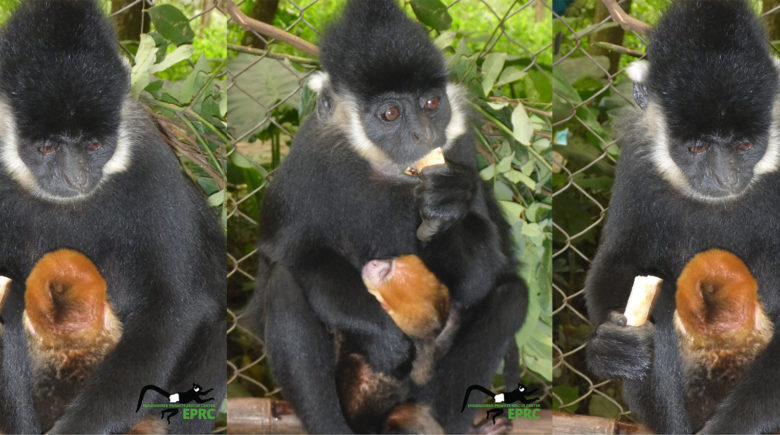
The Center has seen 5 new births these last couple of months, totaling 8 births since the beginning of the year. They are exclusively Hatinh Langurs and Douc Langurs newborns, and it’s interesting to see how seasons in EPRC are punctuated with different species reproduction… let’s get a clearer picture of our primates habits:

First, we cannot talk about langurs’ reproduction without mentioning their group structure, as it is composed of one male to at least three or four females and their infants. That potentially means a big family! Their breeding is all year long but Hatinh Langurs birth peaks are observed between January and March and Douc Langurs between March and June. They reach sexual maturity around 4-5 years old, and their gestation lasts 6 to 7 months. 
Continue reading
Read More →

News, Tiếng Việt

Baby Monkey Boom

Baby Boom at Endangered Primate Rescue Center

Trong vào tháng qua, đã có thêm 5 cá thể mới được sinh ra tại trung tâm, như vậy chúng tôi đã có tổng cộng 8 cá thể mới sinh kể từ đầu năm. Chúng chỉ là những cá thể sơ sinh của 2 loài: vọoc Hà Tĩnh và chá vá, và thật thú vị khi thấy sự sinh sản theo mùa của những loài khác nhau tại EPRC,… hãy cùng chúng tôi tìm hiểu về tập tính của các loài linh trưởng của chúng ta:

Đầu tiên, chúng ta không thể nói về sinh sản của voọc mà không đề cập đến cấu trúc đàn của chúng, vì nó bao gồm một con đực cùng ít nhất ba hoặc bốn con cái và con của chúng. Điều đó có khả năng có nghĩa là một gia đình lớn! Sinh sản của chúng là quanh năm nhưng thời gian sinh sản nhiều nhất của vọoc Hà Tĩnh được ghi nhận từ tháng 1 đến tháng 3 và chà vá trong khoảng từ tháng 3 đến tháng 6. Chúng đạt đến tuổi thành thục (tuổi sẵn sàng để sinh sản) sau khoảng 4-5 tuổi và thời gian mang thai của chúng kéo dài 6 đến 7 tháng.

Continue reading
Read More →

English, News

New Confiscated Baby Langur Arrives at EPRC

Your Call to Education for Nature – Vietnam (ENV) Work!

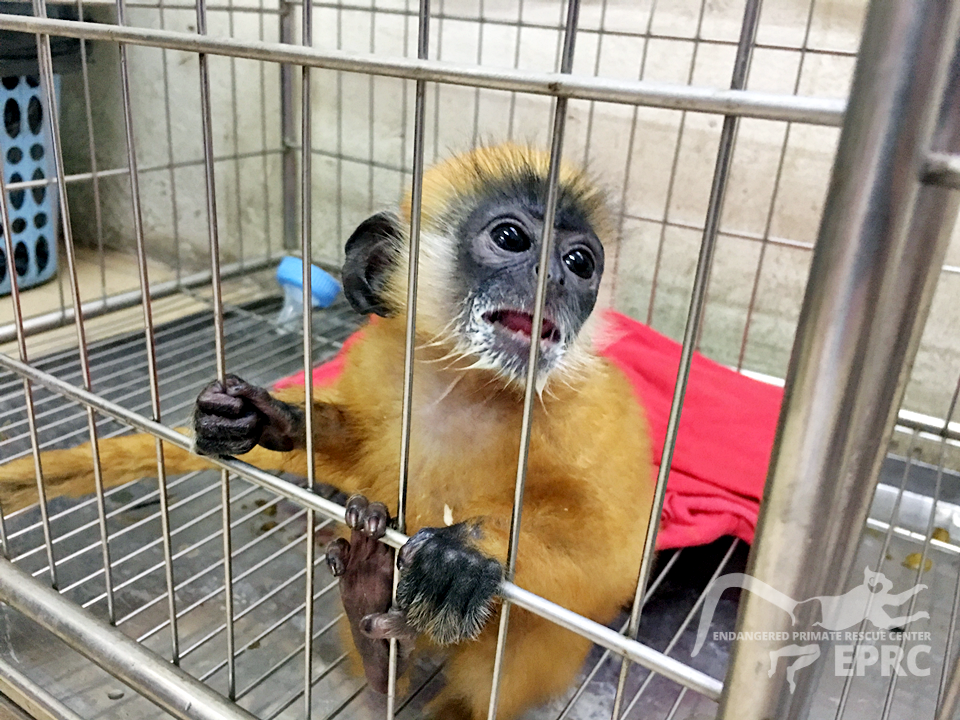
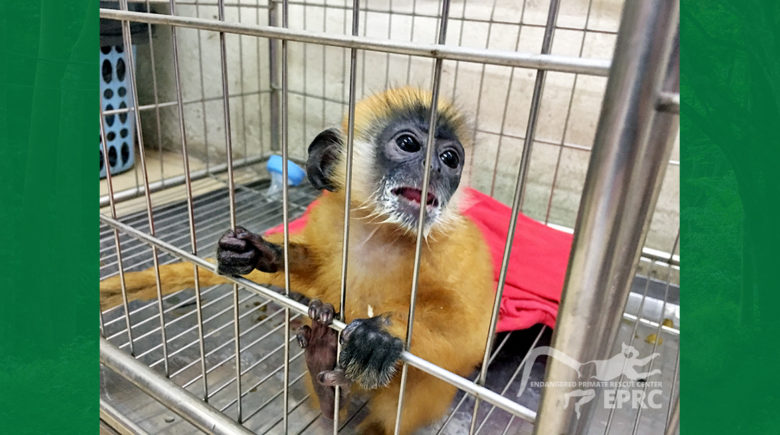
On September 26, EPRC received news from Education for Nature – Vietnam (ENV) that there is a baby langur kept as a pet at a household in Long Bien, Hanoi. The policemen in the area found this baby and after recognizing their faulty action, the household surrendered the baby to EPRC.

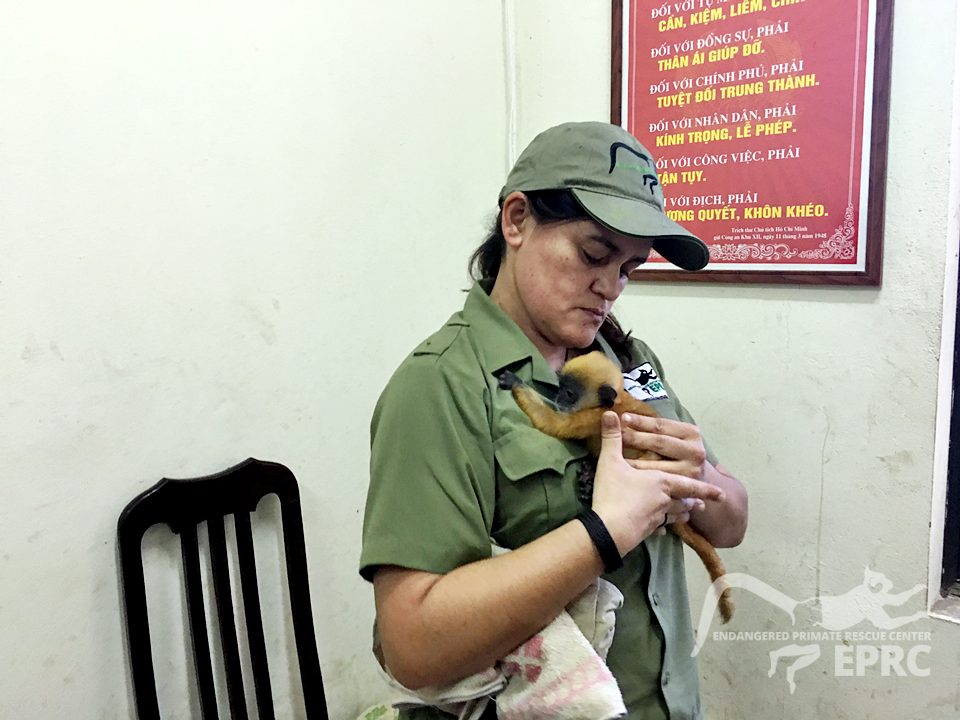
» SONYA PROSSER – EPRC DIRECTOR WENT TO RESCUE THE BABY BY HERSELF.

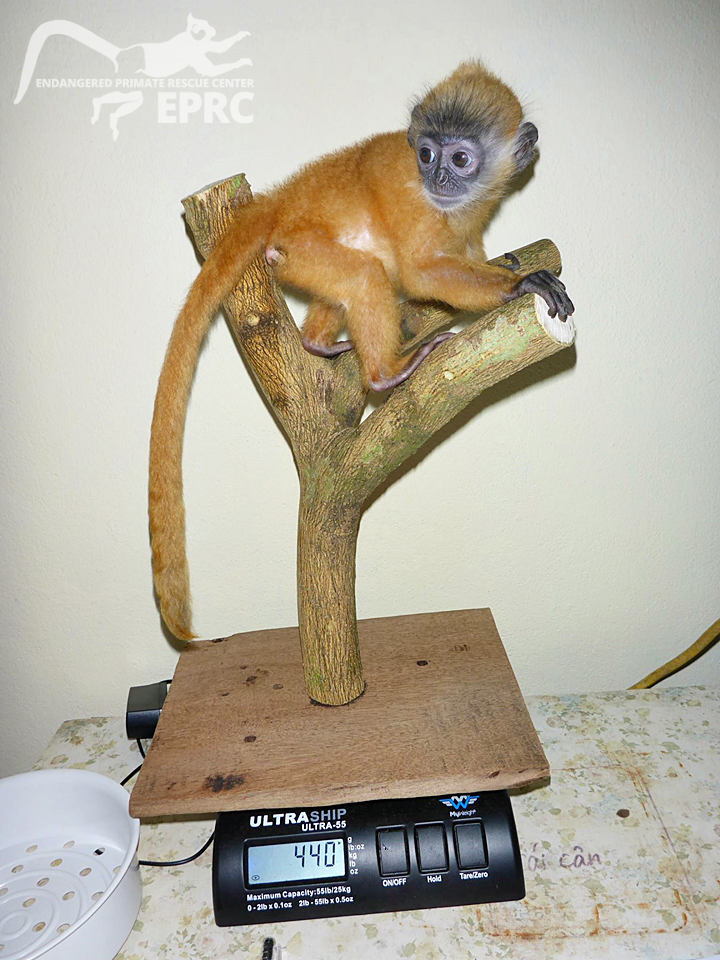
» THE BABY LANGUR IS QUITE SMALL, YET IN PRETTY GOOD HEALTH CONDITION.

Continue reading
Read More →

English, Learn About Vietnam's Primates

EPRC’s Baby Langurs

Learn About Baby Langurs

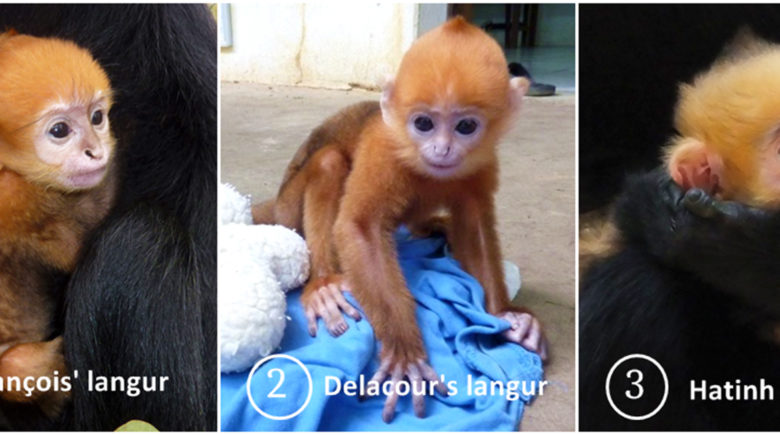
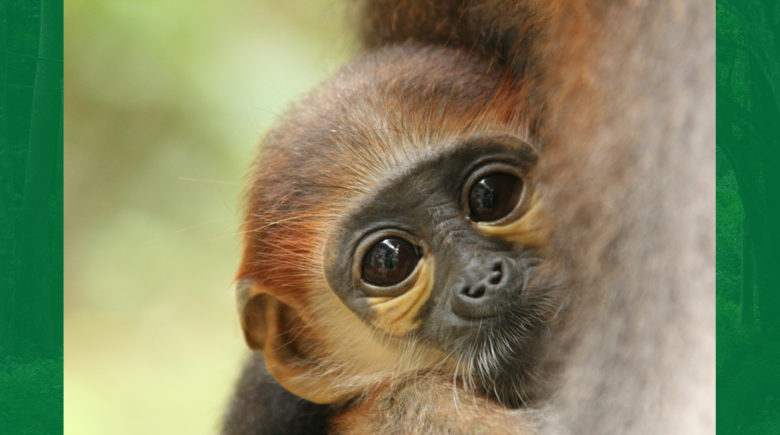
It is truly a magic of nature when you see the orange heads of baby langurs popping out from their mothers’ black arms (in case of Hatinh langurs). All of these 5 infants were born at EPRC and now are grown-ups, healthy and strong – waiting for their possible release days in the future. The baby langurs may look alike, but if you look more closely, you will spot out some slight differences.

  1. François’ Langur (Trachypithecus francoisi)
  2. Delacours Langur (Trachypithecus delacouri)
  3. Hatinh Langur (Trachypithecus hatinhensis)
  4. Indochinese Grey Langur (Trachypithecus crepusculus)
  5. Cat Ba Langur (Trachypithecus poliocephalus)
Continue reading
Read More →

English, News

Born Today A New Female Hatinh Langur

Welcome To EPRC Our New Baby Hatinh Langur

The Hatinh langur is well-known around the center for their reproductivity rate. And they once again just proved their fame by giving birth to an orange female baby this morning, making it the 7th baby Hatinh langur out of the total 13 baby primates born in EPRC since 2015.

No one would forget the newborn female Hatinh langur’s birthday as she was born on Easter Day, 27th of March. Hatinh langur offspring, just like any other Trachypithecus (Cat Ba langur, Delacour’s langur…), are coated with an orange fur at birth and will gradually transform into their adult fur in the first one year and 3 month of their life. The only difference in coloration between male and female Hatinh langur at birth is the white patch on the rump of the female offspring, while the male wears a orange fur all over their body. Hence, this newborn is a female.

However, a newborn could also have different color variations as some would not be completely orange. This is also the case for the newborn as she’s already possessed a color mixture of black and orange.

Continue reading
Read More →
EnglishenEnglishEnglish