Behind the Scenes at EPRC, English

Meet the Oldest Primates of EPRC

Manu, Marco, Kurt, Minnie, Cat Ba, and Gordon

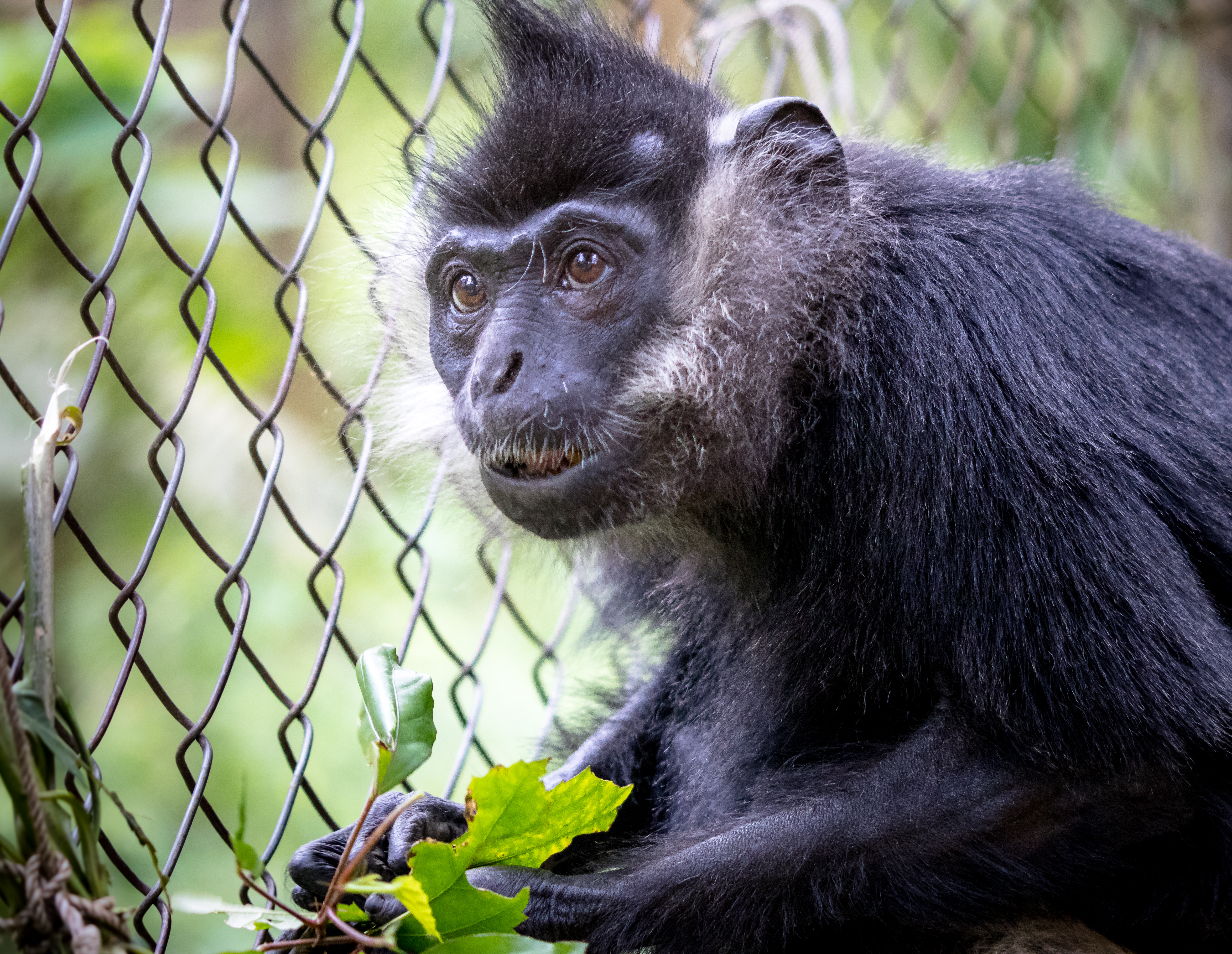
We recently lost one of our oldest and most emblematic primates, our Delacour’s female Manu. Like her, we can see some of our residents growing old and sometimes turning EPRC into their final resting place.
Continue reading
Read More →

Behind the Scenes at EPRC, Tiếng Việt

Danh Sách Các Linh Trưởng Lớn Tuổi Của EPRC

Manu, Marco, Kurt, Minnie, Cat Ba, and Gordon

Mới gần đây, chúng tôi đã mất đi một trong cá thể linh trưởng lớn tuổi và tiêu biểu nhất của chúng tôi – cô voọc mông trắng Manu. Cũng như cô ấy, chúng ta có thể nhận thấy sự già đi của nhiều cá thể khác và điều này đôi khi khiến EPRC thành nơi an nghỉ cuối cùng của họ.

Continue reading
Read More →

English, Learn About Vietnam's Primates

Learn More About Catba Langurs

Vietnam's Cat Ba Langurs
1. Cat Ba Langurs’ Special Trait

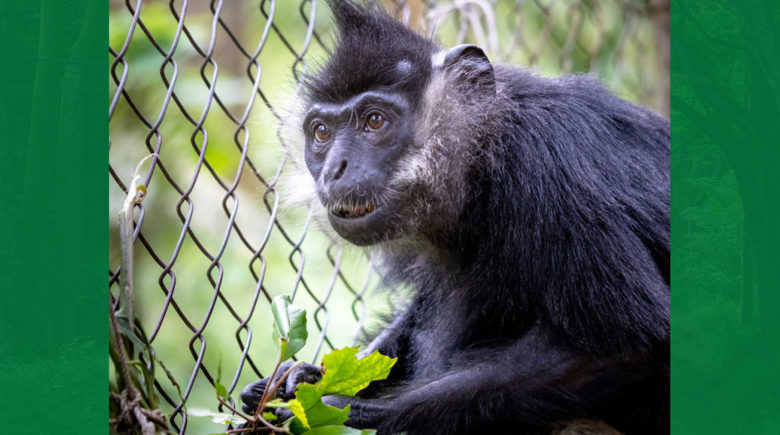
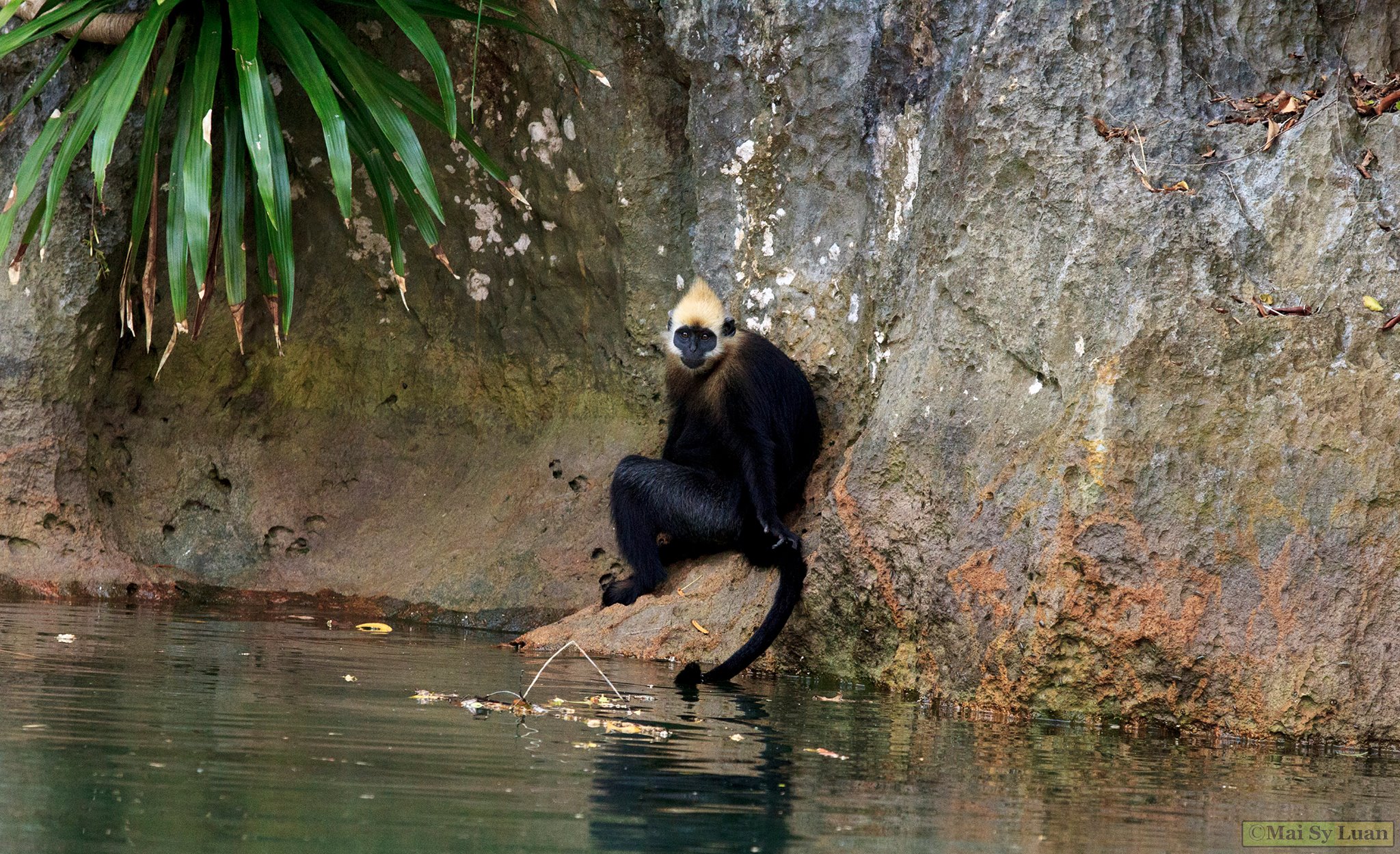
Drinking salt water is a unique typical trait in Cat Ba Langurs which differentiates them from other langur species. As their only natural inhabitat area now is Cat Ba island, it seems that these langurs have adapted to their surrounding environment and seek for some salt water just like the fishermen like their food salty.

The feature picture was beautifully and timely taken by Cat Ba Langur Conservation Project – the only on-site project on Cat Ba island now which specializes in Cat Ba langurs. They established a protected langur sanctuary inside Cat Ba National Park in 2002, and work closely with the rangers to guarantee the safety of these Vietnam endemic primates which are also one of the rarest primates on Earth.

Continue reading
Read More →

English, Learn About Vietnam's Primates

EPRC’s Baby Langurs

Learn About Baby Langurs

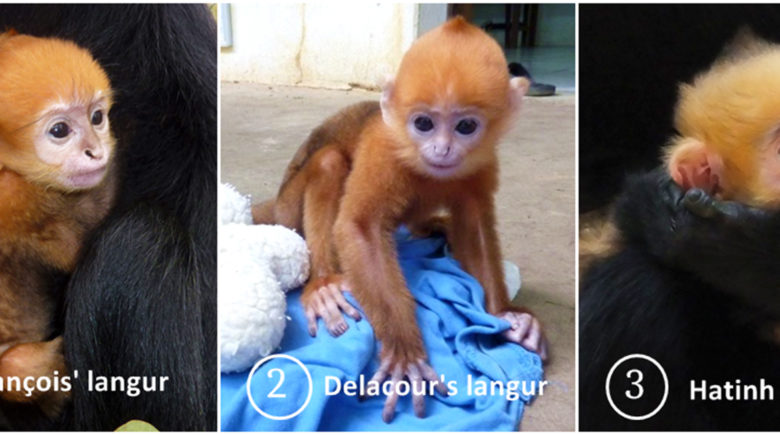
It is truly a magic of nature when you see the orange heads of baby langurs popping out from their mothers’ black arms (in case of Hatinh langurs). All of these 5 infants were born at EPRC and now are grown-ups, healthy and strong – waiting for their possible release days in the future. The baby langurs may look alike, but if you look more closely, you will spot out some slight differences.

  1. François’ Langur (Trachypithecus francoisi)
  2. Delacours Langur (Trachypithecus delacouri)
  3. Hatinh Langur (Trachypithecus hatinhensis)
  4. Indochinese Grey Langur (Trachypithecus crepusculus)
  5. Cat Ba Langur (Trachypithecus poliocephalus)
Continue reading
Read More →
EnglishenEnglishEnglish