Behind the Scenes at EPRC, English

Our Lorises Get Prepared for Winter

Winter in Northern Vietnam

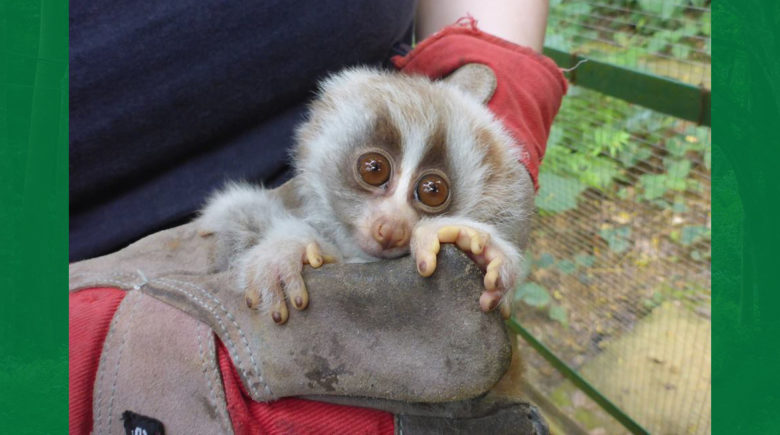
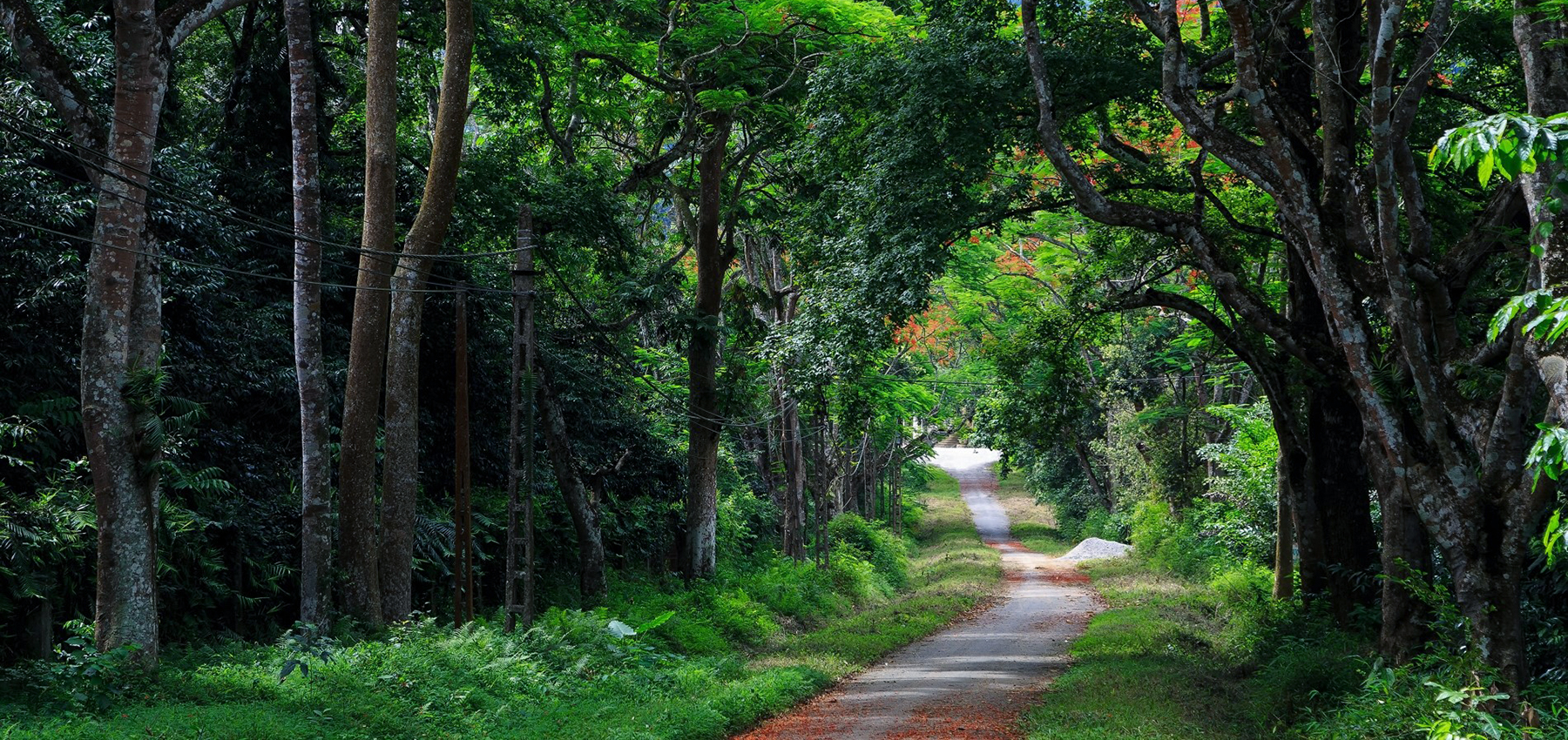
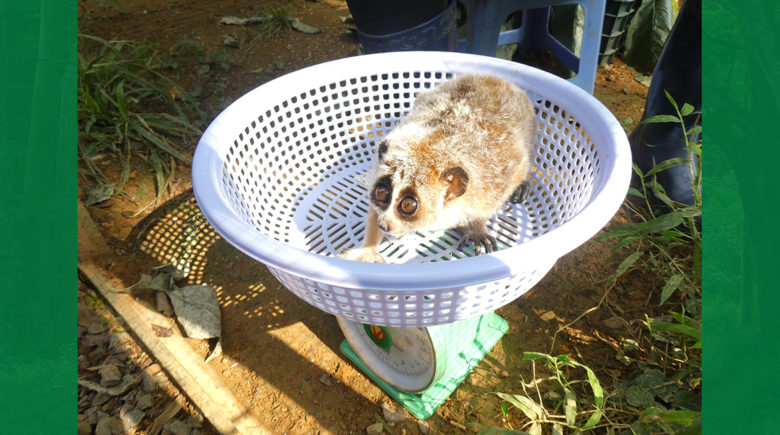
Most people assume that Vietnam weather is always warm. It is hard to imagine but we have a pretty cold winter here in Northern Vietnam, especially in Cuc Phuong rainforest which has its own micro-climate. Days have just started to get colder here and if you have a closer look you can notice it is affecting our Lorises who are also getting prepared for winter!

Before the end of autumn, they start eating a lot and gain weight. They need to do so because during the next very cold days they will fall into a torpor and stop eating, sometimes even for several days. Which results in a significant variation of weight from one season to another. As an example, Pygmy Lorises can weigh up to 500g or even more just before winter and drop down to only 300g in spring.

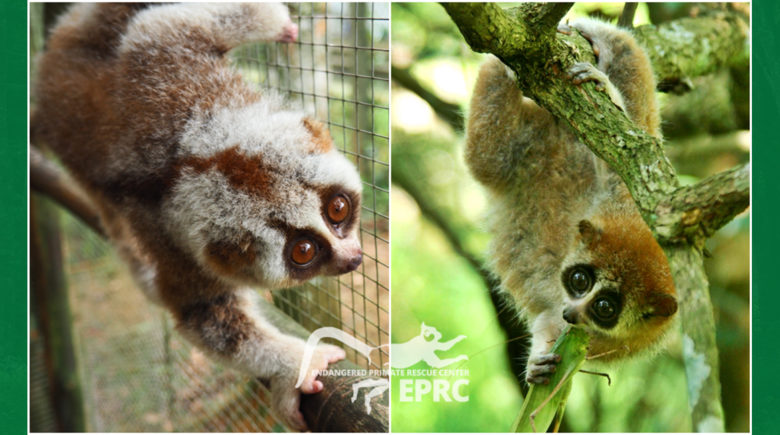
Another striking observation is the difference in their fur appearance. The important variations along the seasons confused the scientists in the past. Not so far from now, twenty years ago, there were three known Loris species in Vietnam:
Continue reading
Read More →

Behind the Scenes at EPRC, Tiếng Việt

Culi Của Chúng Tôi Chuẩn Bị Cho Mùa Đông

Mùa đông ở miền bắc Việt Nam

Hầu hết mọi người nghĩ rằng thời tiết Việt Nam luôn ấm áp. Đôi với nhiều người, thật khó lòng nghĩ rằng miền Bắc Việt Nam có một mùa Đông khá lạnh, đặc biệt là ở rừng nhiệt đới Cúc Phương với một khí hậu vi mô đặc hữu. Thời tiết hàng ngày tại đây đã dần trở lạnh và nếu bạn có một cái nhìn gần hơn, bạn có thể thấy rằng nó đang ảnh hưởng đến culi của chúng tôi vốn cũng đang dần chuẩn bị cho mùa đông!

Trước khi kết thúc mùa thu, chúng bắt đầu ăn thật nhiều để tăng cân. Chúng cần phải làm như vậy bởi vì trong những ngày lạnh lẽo tới, chúng sẽ chuyển sang tình trạng “topor” và ngừng ăn trong vài ngày. Điều này dẫn đến sự thay đổi đáng kể về trọng lượng giữa các mùa. Ví dụ, culi nhỏ có thể nặng tới 500g hoặc thậm chí hơn cả vậy trước mùa đông nhưng giảm xuống chỉ còn 300g vào mùa xuân.

Một sự khác biệt nổi bật khác là về bộ lông của chúng. Trong quá khứ, những sự thay đổi quan trọng theo mùa đã gây ra những sự nhầm lẫn của các nhà khoa học. Mới chỉ hai mươi năm trước, đã từng có đến ba loài culi được biết đến ở Việt Nam:

Continue reading
Read More →

English, Learn About Vietnam's Primates

Can You Tell a Bengal Slow Loris and Pygmy Loris Apart?

Learn the Differences Between Bengal Slow Loris and Pygmy Loris

Sometimes with a quick look on photos or on a quick tour, you cannot know exactly what the differences between Bengal slow loris (or Northern slow loris) and Pygmy loris are. Today EPRC will help you to become an amateur expert on these lovely animals

Continue reading
Read More →

Behind the Scenes at EPRC, English

Loris Release Program Success – Three Lorises Returned to Forest

Lorises Returned to the Forest in Cuc Phuong National Park

On 9/10, after a short period of rehabilitation in the EPRC’s facility, three slow lorises who passed the health and behaviour assessment for our loris release program finally returned to the forest in Cuc Phuong National Park.

This loris release, including two individuals who were transferred to the EPRC from a governmental rescue center for a better chance of release and one individual who was surrendered voluntarily to the EPRC from a local resident earlier this year, were carried out inside Cuc Phuong National Park, the forest where the EPRC is based.

Coming from illegal keeping not so long ago, these lorises were released to the wild in a strong and healthy condition thanks to the excellent care of EPRC’s keepers. But most importantly, they still possess wild behaviors that indicates a smooth readjustment to wild environment.

Continue reading
Read More →

English, Photo Album

The Adorableness of Primates at EPRC

The Most Adorable Primates Living In EPRC

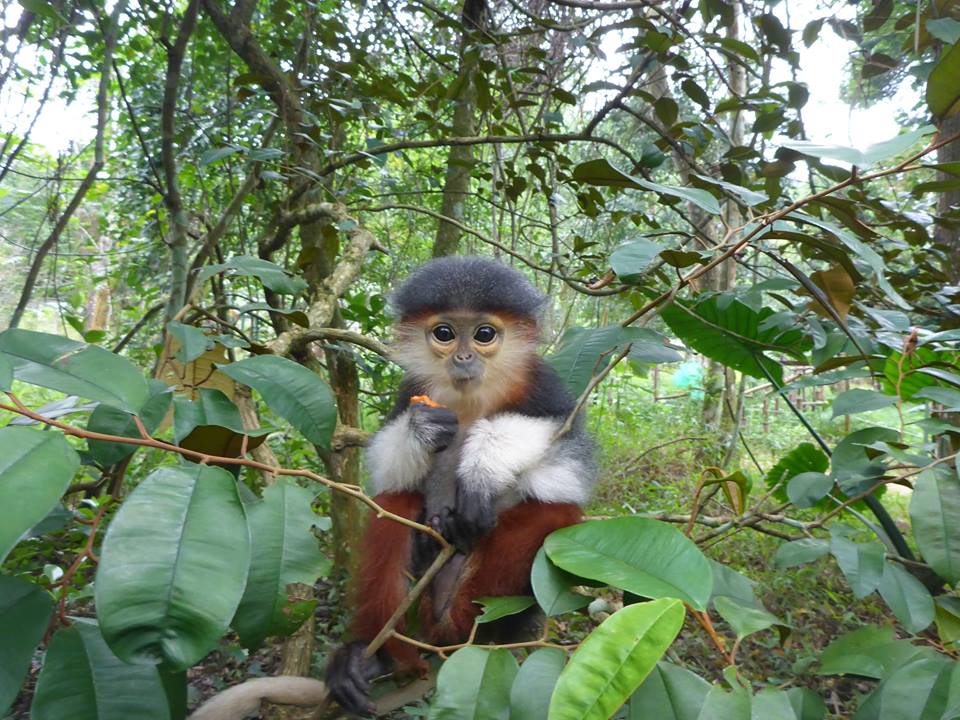
This morning we went to check on the weight of our lorises to keep track of our animals’ growth and took Beni, the Red-shanked douc langur, for a walk and play. Let’s take a look some of the most adorable primates living in EPRC.

Beni was confiscated in Hue and then arrived at our center in November 2015 when he was estimated to be 9 months old. To lose one’s family from such a young age usually imprints a certain degree of trauma on an animal’s memory. For this very reason, we knew straight away that Beni will be received special attention from us before he can live harmoniously with other langurs in a big enclosure.

Continue reading
Read More →
EnglishenEnglishEnglish