English, News

Baby Monkey Boom

Baby Boom at Endangered Primate Rescue Center

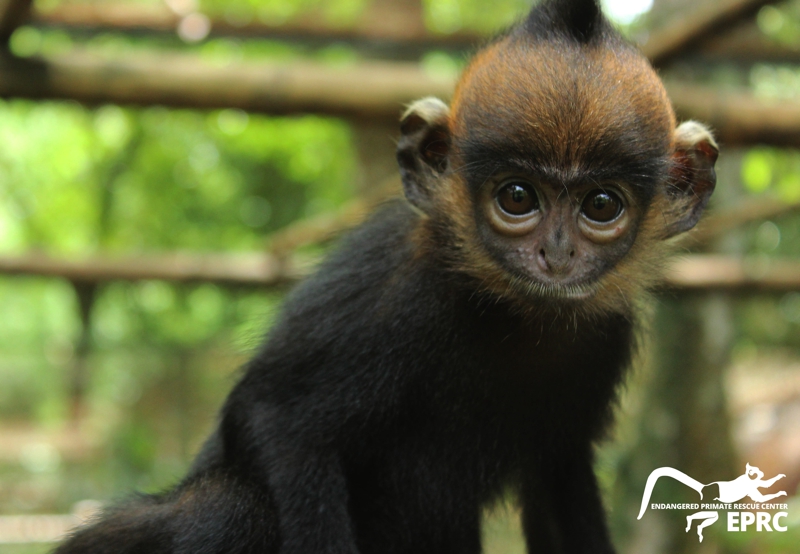
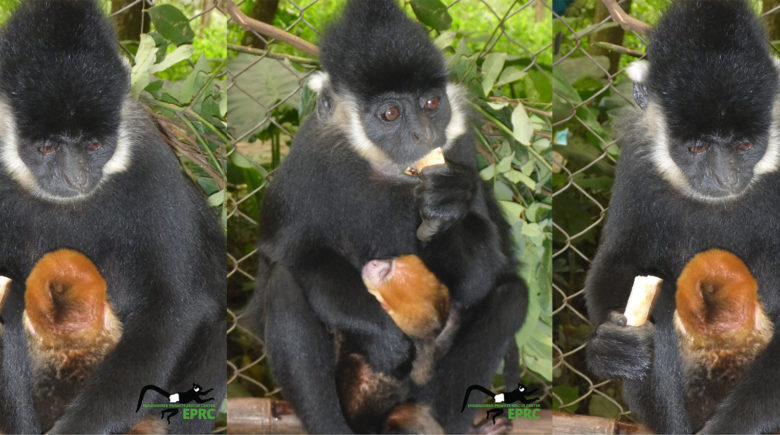
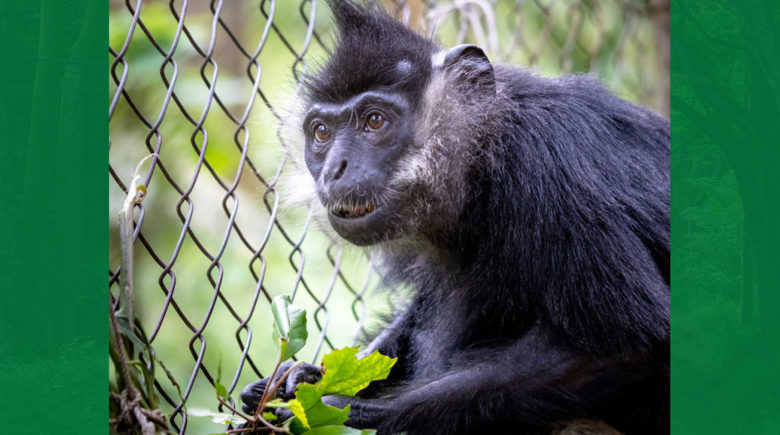
The Center has seen 5 new births these last couple of months, totaling 8 births since the beginning of the year. They are exclusively Hatinh Langurs and Douc Langurs newborns, and it’s interesting to see how seasons in EPRC are punctuated with different species reproduction… let’s get a clearer picture of our primates habits:

First, we cannot talk about langurs’ reproduction without mentioning their group structure, as it is composed of one male to at least three or four females and their infants. That potentially means a big family! Their breeding is all year long but Hatinh Langurs birth peaks are observed between January and March and Douc Langurs between March and June. They reach sexual maturity around 4-5 years old, and their gestation lasts 6 to 7 months. 
Continue reading
Read More →

News, Tiếng Việt

Baby Monkey Boom

Baby Boom at Endangered Primate Rescue Center

Trong vào tháng qua, đã có thêm 5 cá thể mới được sinh ra tại trung tâm, như vậy chúng tôi đã có tổng cộng 8 cá thể mới sinh kể từ đầu năm. Chúng chỉ là những cá thể sơ sinh của 2 loài: vọoc Hà Tĩnh và chá vá, và thật thú vị khi thấy sự sinh sản theo mùa của những loài khác nhau tại EPRC,… hãy cùng chúng tôi tìm hiểu về tập tính của các loài linh trưởng của chúng ta:

Đầu tiên, chúng ta không thể nói về sinh sản của voọc mà không đề cập đến cấu trúc đàn của chúng, vì nó bao gồm một con đực cùng ít nhất ba hoặc bốn con cái và con của chúng. Điều đó có khả năng có nghĩa là một gia đình lớn! Sinh sản của chúng là quanh năm nhưng thời gian sinh sản nhiều nhất của vọoc Hà Tĩnh được ghi nhận từ tháng 1 đến tháng 3 và chà vá trong khoảng từ tháng 3 đến tháng 6. Chúng đạt đến tuổi thành thục (tuổi sẵn sàng để sinh sản) sau khoảng 4-5 tuổi và thời gian mang thai của chúng kéo dài 6 đến 7 tháng.

Continue reading
Read More →

Behind the Scenes at EPRC, English

Meet the Oldest Primates of EPRC

Manu, Marco, Kurt, Minnie, Cat Ba, and Gordon

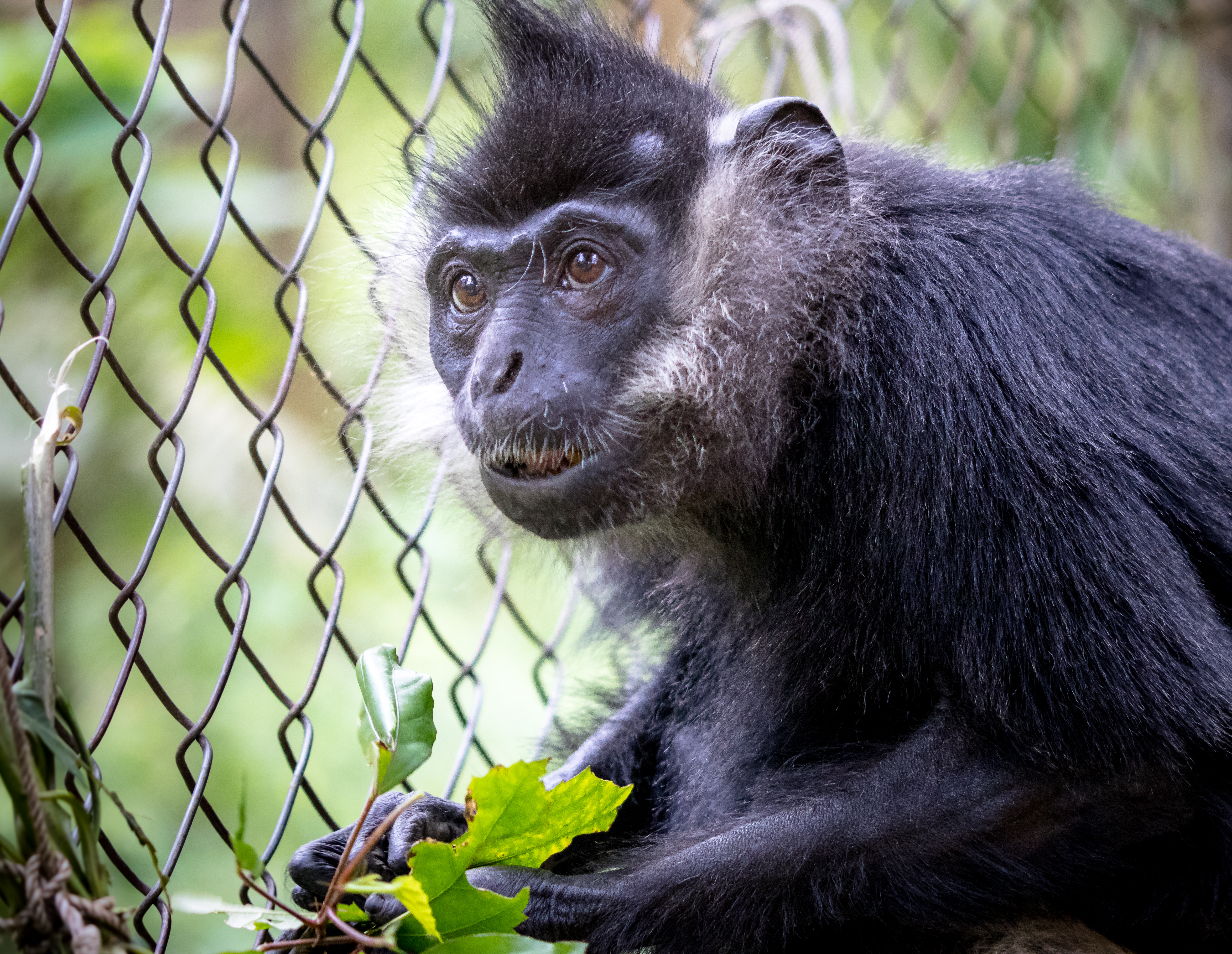
We recently lost one of our oldest and most emblematic primates, our Delacour’s female Manu. Like her, we can see some of our residents growing old and sometimes turning EPRC into their final resting place.

Continue reading
Read More →

Behind the Scenes at EPRC, Tiếng Việt

Danh Sách Các Linh Trưởng Lớn Tuổi Của EPRC

Manu, Marco, Kurt, Minnie, Cat Ba, and Gordon

Mới gần đây, chúng tôi đã mất đi một trong cá thể linh trưởng lớn tuổi và tiêu biểu nhất của chúng tôi – cô voọc mông trắng Manu. Cũng như cô ấy, chúng ta có thể nhận thấy sự già đi của nhiều cá thể khác và điều này đôi khi khiến EPRC thành nơi an nghỉ cuối cùng của họ.

Continue reading
Read More →

Behind the Scenes at EPRC, English

We Visit Hatinh Langurs Conservation Project Site In Đồng Hóa

A Hatinh Langurs Conservation Project Site in Đồng Hóa, the South Central Coast Region of Vietnam

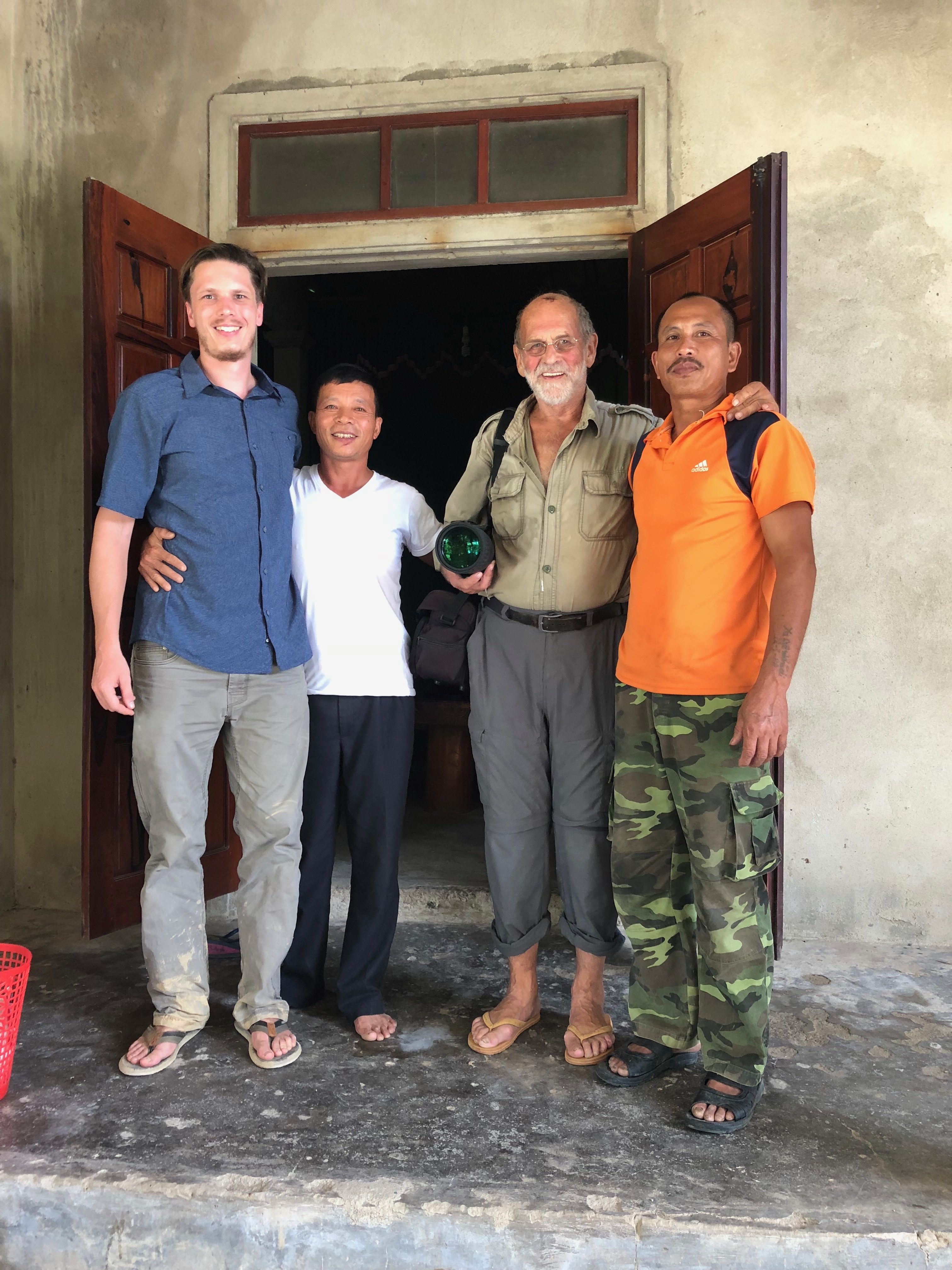
» FROM LEFT TO RIGHT: ADAM (EPRC DIRECTOR), TU (PROJECT LEADER), TILO (EPRC FOUNDER) AND HONG (PROJECT VOLUNTEER).

Continue reading
Read More →

Behind the Scenes at EPRC, Tiếng Việt

Nhóm Eprc Đến Thăm Khu Vực Dự Án Bảo Tồn Voọc Hà Tĩnh Tại Đồng Hóa

Một Địa Điểm Dự Án Bảo Tồn Hatinh Langurs Ở Đồng Hóa, Vùng Duyên Hải Nam Trung Bộ Của Việt Nam

» TỪ TRÁI SANG PHẢI: ANH ADAM (GIÁM ĐỐC EPRC), ANH TÚ (TRƯỞNG NHÓM DỰ ÁN), TILO (NGƯỜI SÁNG LẬP EPRC) VÀ ANH HỒNG (TÌNH NGUYỆN VIÊN CỦA DỰ ÁN).

Continue reading
Read More →

English, Learn About Vietnam's Primates

EPRC’s Baby Langurs

Learn About Baby Langurs

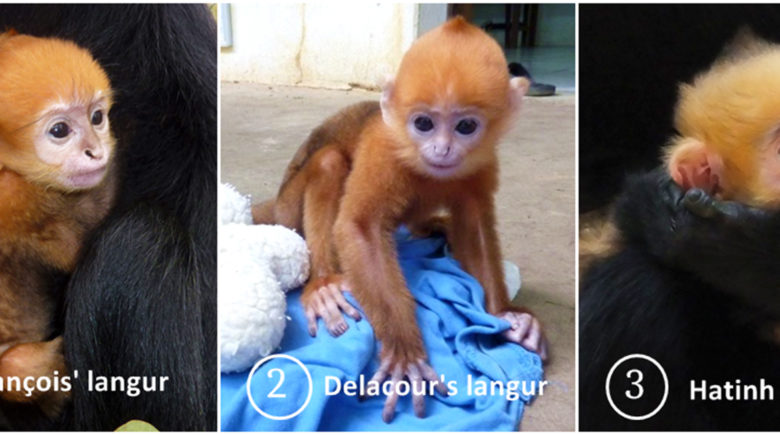
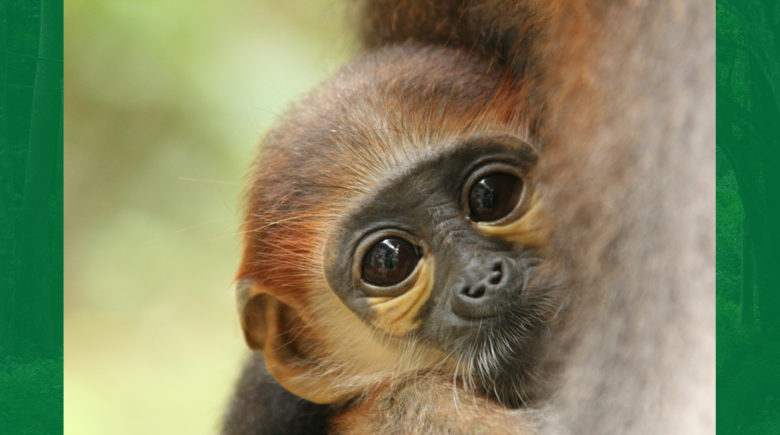
It is truly a magic of nature when you see the orange heads of baby langurs popping out from their mothers’ black arms (in case of Hatinh langurs). All of these 5 infants were born at EPRC and now are grown-ups, healthy and strong – waiting for their possible release days in the future. The baby langurs may look alike, but if you look more closely, you will spot out some slight differences.

  1. François’ Langur (Trachypithecus francoisi)
  2. Delacours Langur (Trachypithecus delacouri)
  3. Hatinh Langur (Trachypithecus hatinhensis)
  4. Indochinese Grey Langur (Trachypithecus crepusculus)
  5. Cat Ba Langur (Trachypithecus poliocephalus)
Continue reading
Read More →

English, News

Wildlife Crime – Four Frozen Endangered Hatinh Langurs

Wildlife Crimes in Vietnam

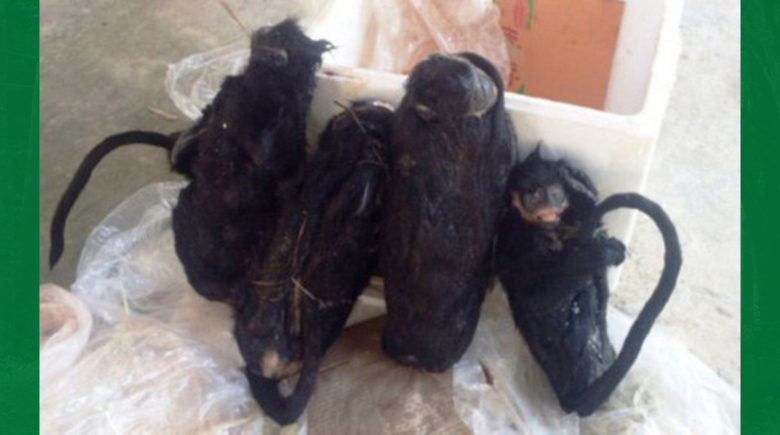
On the morning of October 2nd, the traffic police of Thanh Hoa province discovered a suspicious load on the back of a truck driving on the 1A highway through Truong Lam commune, Tinh Gia district. Turned out, four frozen endangered Hatinh langurs were concealed in styrofoam boxes with unclear origins.

According to dantri.com.vn, at around 1 a.m on October 2nd, the traffic police was carrying out their night patrol duty when they spotted a coach driving on the highway with signs of traffic violation. On-site inspection revealed the coach was transporting many styrofoam boxes. Suspecting that illegal products could be stored inside, the police examined the boxes and found out that four frozen wildlife that appeared to be the endangered Hatinh langurs were tied up in plastic bags. Without any surprise, the driver failed to present any origin paper of the wildlife in his coach.

Continue reading
Read More →

English, News

Three Endangered Hatinh Langurs Successfully Released

Our First Langur Release Program

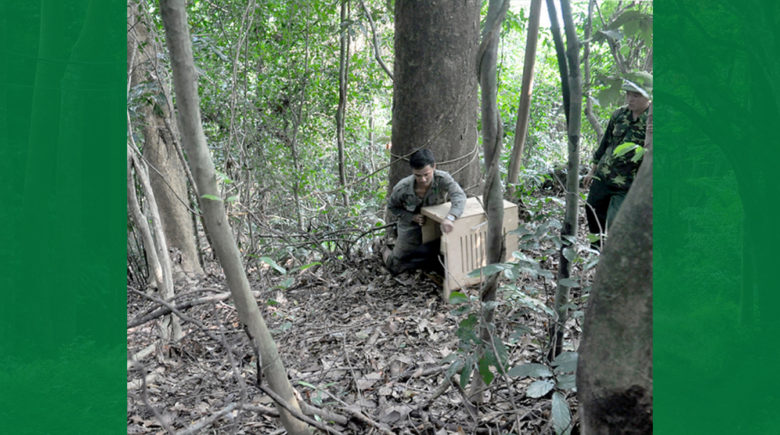
On the 3rd of July, the first langur release program in 2016 carried out by the EPRC, in cooperation with GreenViet, took place in Ke Go Nature Reserve, Hatinh province in the presence of delegates and rangers from Hatinh province.

One of the most frequently asked questions at the EPRC by our visitors is: Will you release these animals back to the wild? To answer many of our supporters’ inquiry, we want to announce to everyone the first update on EPRC’s langur release program in 2016.

Three Hatinh langurs, including one male and two females, were released to a secret site in Ke Go Nature Reserve, Hatinh province, on Sunday last week. The program does not stop with the animals being released, but will continue for the next 12 months with researchers from GreenViet monitoring the langurs on a daily basis.

» An infant Hatinh langur at the EPRC

Continue reading
Read More →

English, News

Born Today A New Female Hatinh Langur

Welcome To EPRC Our New Baby Hatinh Langur

The Hatinh langur is well-known around the center for their reproductivity rate. And they once again just proved their fame by giving birth to an orange female baby this morning, making it the 7th baby Hatinh langur out of the total 13 baby primates born in EPRC since 2015.

No one would forget the newborn female Hatinh langur’s birthday as she was born on Easter Day, 27th of March. Hatinh langur offspring, just like any other Trachypithecus (Cat Ba langur, Delacour’s langur…), are coated with an orange fur at birth and will gradually transform into their adult fur in the first one year and 3 month of their life. The only difference in coloration between male and female Hatinh langur at birth is the white patch on the rump of the female offspring, while the male wears a orange fur all over their body. Hence, this newborn is a female.

However, a newborn could also have different color variations as some would not be completely orange. This is also the case for the newborn as she’s already possessed a color mixture of black and orange.

Continue reading
Read More →
EnglishenEnglishEnglish